Senior Systems Engineer
Infrastructure, Automation,
and Applied AI

Automation-focused engineer who builds tools and systems that solve real problems. Over 20 years of enterprise IT experience spanning infrastructure, scripting, and systems architecture — now combined with full-stack product development. Known for translating user needs into working solutions, debugging complex systems across the stack, and automating manual processes out of existence.

Looking for senior roles bridging infrastructure, platform, and applied AI — remote preferred.

Currently: enrolled in MIT's Applied AI and Data Science Program (expected completion September 2026), studying for CISSP, Anthropic AI certifications, and IaC tooling.

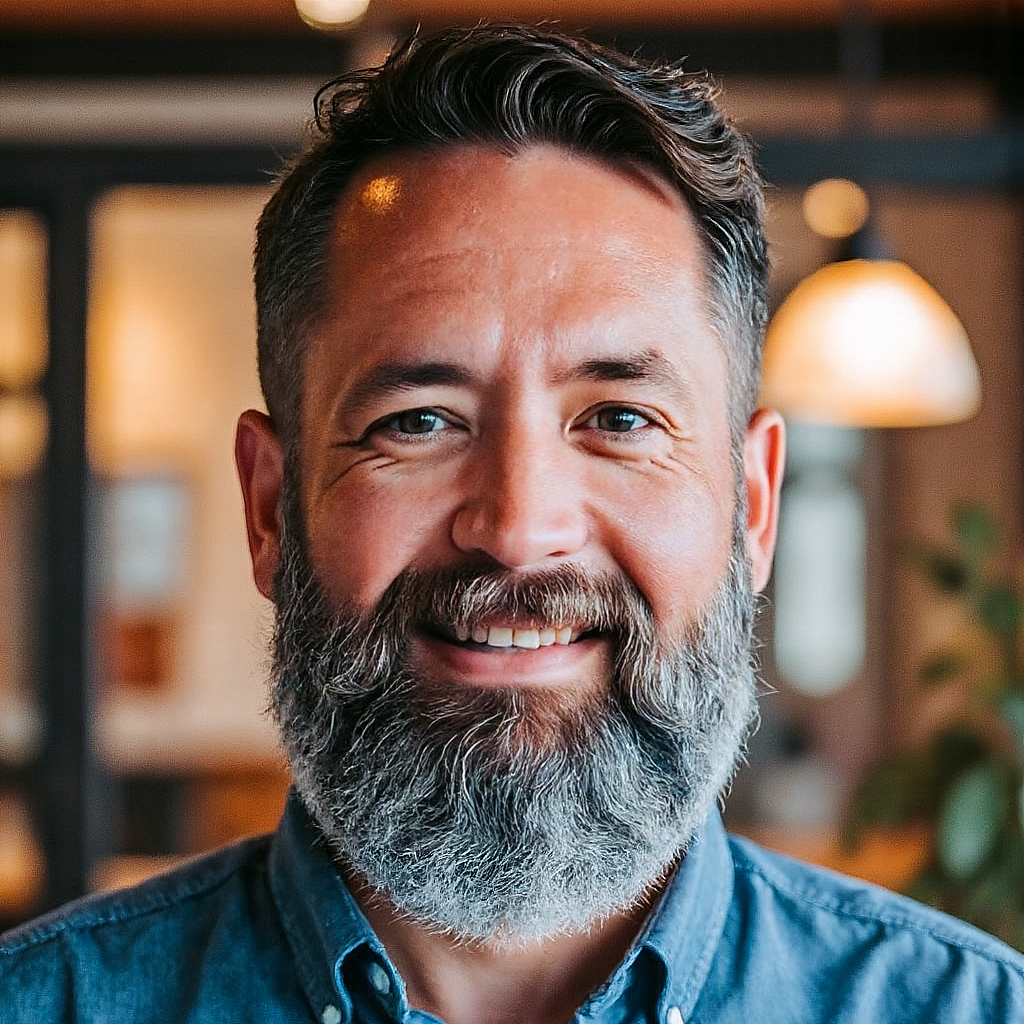
Michael Seeley

Development

Python, Flask, JavaScript, React, HTML/CSS, REST API design, SQL, PostgreSQL, Redis

Automation & Scripting

PowerShell, Python, PowerCLI, Bash, process automation, scheduled task orchestration

Integrations & Services

Stripe payments & billing, Twilio SMS, MailGun / SendGrid email, Git, CI/CD workflows

Infrastructure

Windows Server, VMware vSphere, Azure, Active Directory, Exchange Online, DNS/DHCP

Tools & Platforms

ServiceNow, Device42, SCCM, Claude Code, ChatGPT Codex, GitHub Copilot, Fusion 360, 3D printing (resin & FDM), ESP32 / Raspberry Pi

Credentials

Building with the Claude API (Anthropic), Claude Code in Action (Anthropic), Risk Management (Packt), CISSP (in progress)

Claude Code Claude.ai GitHub Copilot ChatGPT Codex

More than two decades of building and debugging systems before AI tooling existed shaped how I use it now. The same instincts that catch subtle bugs in unfamiliar codebases — recognizing when an answer is too clean, when a fix doesn't address the root cause, when a confident explanation is wrong — apply directly to the suggestions these tools produce. AI is the most useful collaborator I've ever worked with on routine code. It is also confidently wrong often enough to require a senior engineer at the wheel.

Tools I use day-to-day. Claude Code in the terminal for repository-aware work, Claude.ai for design conversations and architectural sounding-board sessions, GitHub Copilot for inline completion in the IDE, and ChatGPT Codex for cross-checking and second opinions. Different tools, different sweet spots — relying on any one of them in isolation leaves capability on the table.

What I trust them with. Boilerplate scaffolding — CRUD endpoints, test setup, glue scripts that aren't load-bearing. First-pass debugging — rubber-ducking errors, narrowing down where a bug probably lives, generating hypotheses faster than I can alone. Refactoring and code review — catching consistency issues, dead branches, and the obvious smells a fresh pair of eyes would spot. In all three cases the work is recoverable: if the AI is wrong, I notice quickly and the cost is low.

What I don't trust them with. Architecture and design decisions, where being subtly wrong compounds over months. Anything touching production data, auth, or infrastructure changes — places where confident-wrong is catastrophic and the fix is hard to walk back. Domain-specific business logic that requires understanding edge cases or regulatory context the model has no way to know. And I will never merge code I haven't read end-to-end, even if it works — AI fluency hides brittle assumptions, and "it ran" isn't the same as "I understand it."

The synthesis. The judgment is mine; the velocity is theirs. AI has not replaced the senior engineering work — reading the system, understanding the constraints, making the trade-offs. It has compressed everything around that work. Used well, that's a multiplier. Used poorly, it accelerates the production of code no one really understands, including the person who wrote it.

"To err is human; to really foul things up requires a computer." Now hand that computer to someone who's outsourced their judgment to an AI. Watch out.

Enterprise Hybrid Infrastructure

Automation and systems engineering for a global manufacturing organization with 1,000+ Windows Servers across a VMware/Azure hybrid environment spanning 15+ VMware clusters. Designed and built an end-to-end SOX audit reporting pipeline — PowerShell collection, Power Automate Desktop orchestration, and Python (Pandas, openpyxl) for assembly, validation, and image-embedded report generation — that collapsed a two-week manual workflow of per-server scans, hand-formatted Excel sheets, and pasted screenshots from ADUC and password managers into a 1-2 hour automated run. Built dozens of additional PowerShell, PowerCLI, and Python tools to streamline server provisioning, compliance validation, and infrastructure management. Authored SCCM SQL reporting queries to replace manual data collection, designed Device42 auto-discovery assessments, and led incident management and L2/L3 escalations for critical infrastructure.

State Government IT

Network infrastructure mapping and documentation using Python and SQL, building tooling to audit and visualize the environment. Developed automation in PowerShell, Python, and VB to reduce manual administration overhead. Participated in a website platform migration in a Linux environment and assisted with an enterprise security rollout — identifying a privilege escalation vulnerability during testing.

Manufacturing & Process Industries

Worked across multiple manufacturing environments spanning plant operations and business systems. Designed network topology changes for production floors, bridged automation and business teams to translate operational needs into infrastructure solutions, and administered virtualized environments and Citrix. On the business side, developed VB.NET applications and Crystal Reports to automate reporting workflows and managed ERP system integrations.

Financial Services Infrastructure

Seven years of on-call ownership for server and network infrastructure at a multi-branch banking operation under FDIC/OCC regulatory oversight. Managed core banking systems, domain infrastructure, and backup architecture across production and DR sites. Developed automation scripts for routine compliance checks and system health monitoring. Designed and tested disaster recovery and business continuity plans covering critical transaction processing, wire transfer, and customer-facing banking platforms.

Massachusetts Institute of Technology — Professional Education Applied AI and Data Science Program (AAIDSP) — In progress, expected completion September 2026.

Additional Coursework — Iowa State University, Northeast Iowa Community College, Moraine Park Technical College. Coursework in information technology and general studies.

Personal Projects

Hardware and hands-on AI/ML tinkering — ESP32, 3D printing, ComfyUI, and LoRA training.

ESP32 Raspberry Pi Particle.io Dev Boards Resin & FDM 3D Printing Fusion 360 Electronics

Ongoing tinkering with ESP32 and Raspberry Pi microcontrollers, Fusion 360 CAD modeling, and both FDM and resin 3D printing. On the AI/ML side, hands-on work with ComfyUI, Florence2, and LoRA training with PyTorch — less about following tutorials and more about breaking things until they make sense. Projects range from small one-off gadgets to more involved builds where the hardware and software sides have to talk to each other. It's the same problem-solving muscle as the day job, just with fewer tickets and more solder.

Stats Dashboard

Live VPS telemetry — system, security, and web-server metrics in a read-only dashboard.

Flask SQLite React systemd GeoIP
stats.mike-seeley.com

Live infrastructure telemetry dashboard for my VPS. Collectors poll system, security (fail2ban), and web-server metrics on a timer, store time-series data in SQLite with two-tier retention, and serve it through a read-only Flask API to a React frontend — world maps of attacker geography, attack heatmaps, and request/latency charts.